Cryotherapy and Sleep: How Cold Improves Recovery
TL;DR
The link between cryotherapy and sleep comes down to your nervous system and core temperature. A 2 to 3 minute whole body session triggers a parasympathetic shift, lowers inflammation, and helps your core temperature drop afterward, which is the exact signal your body uses to fall asleep. Many Renton clients report deeper, faster sleep within one to two weeks of two or three sessions weekly. Cryotherapy is a recovery tool, not a cure for clinical insomnia.
Table of Contents
- Why Sleep Is the Real Recovery Window
- How Cryotherapy and Sleep Are Connected
- What the Cold Does to Your Nervous System
- Timing Your Session for Better Sleep
- Cryotherapy vs Other Sleep Recovery Tools
- What Renton Clients Realistically Notice
- Who Should Be Cautious
- FAQ: Cryotherapy and Sleep
Why Sleep Is the Real Recovery Window
You do not get stronger, leaner, or more rested during a workout. You get those things while you sleep. Deep sleep is when your body releases the bulk of its growth hormone, clears metabolic waste from the brain, repairs muscle tissue, and resets the hormones that govern appetite and stress. Shortchange sleep and every other wellness habit works at a discount.
The problem for most active adults is not falling asleep, it is sleep quality. You can spend eight hours in bed and still wake up unrecovered if you never spend enough time in deep, slow-wave sleep. That is the gap where cold exposure earns its place, by nudging the physiological switches that govern how fast you fall asleep and how deep you go.
How Cryotherapy and Sleep Are Connected
The cryotherapy sleep connection runs through one well-understood mechanism: core body temperature. Your brain initiates sleep when your core temperature falls. It is one of the strongest circadian signals you have. Anything that helps your core temperature drop at the right time tends to help you fall asleep faster and reach deep sleep sooner.
Whole body cryotherapy exposes your skin to air around minus 200 to minus 240 degrees Fahrenheit for two to three minutes. Your skin cools fast, blood rushes to your core to protect your organs, and once you step out and warm back up, your body sheds that heat through the skin. That post-session cool-down is what supports the cryotherapy sleep effect, mimicking the natural temperature dip your body wants before bed.
There is a second pathway too. Hard training and chronic stress keep your nervous system in a revved-up, sympathetic state. Cryotherapy and sleep intersect here because the cold shock prompts a rebound into the parasympathetic, rest-and-digest state once the session ends, which is the state your body needs to wind down. You can read more about the broader mechanism in our Cryo 101 primer.
What the Cold Does to Your Nervous System
The acute response to whole body cold is a brief surge of norepinephrine and a sharp spike in alertness. That sounds like the opposite of sleep, and during the session it is. The benefit comes in the hours afterward, when the system overcorrects toward calm. Think of it like the relaxation you feel after a hard effort ends, amplified.
Three measurable shifts tend to follow a session:
- Lower systemic inflammation. Cold blunts inflammatory markers, and high inflammation is linked to fragmented, restless sleep.
- Improved heart rate variability. A higher HRV signals a relaxed nervous system, and many people see HRV rise on cryotherapy evenings.
- Reduced muscle soreness. Less pain means fewer middle-of-the-night wake-ups for athletes and weekend warriors.
None of this is a sedative effect. Cryotherapy does not knock you out the way a sleep aid does. It removes the friction (soreness, inflammation, an over-revved nervous system) that keeps quality sleep just out of reach.
Timing Your Session for Better Sleep
When you go matters as much as whether you go. Because a session produces an immediate jolt of alertness, doing it 20 minutes before bed can backfire. The sweet spot for the cryotherapy sleep benefit is generally late afternoon to early evening, leaving a few hours for the alertness to fade and the core-temperature drop to set in by bedtime.
|
Session timing |
Effect on that night’s sleep |
Best for |
|
Morning |
Energy and focus boost, neutral for sleep |
People who train AM or want daytime alertness |
|
Late afternoon |
Strong: temperature dip aligns with bedtime |
Most clients seeking better sleep |
|
1 to 2 hours before bed |
Mixed: calming, but alertness may linger |
Experiment individually |
|
Immediately before bed |
Often counterproductive |
Not recommended |
If your schedule only allows morning sessions, you still get the inflammation and recovery benefits that support sleep indirectly. The timing guidance is about maximizing the same-night effect, not a hard rule. Our staff helps clients dial this in, and our packages make it easy to test two or three sessions a week consistently, which is where results actually show up.
Cryotherapy vs Other Sleep Recovery Tools
Cold is one lever among several. Here is how whole body cryotherapy compares with the tools people most often stack it against.
- Cold plunge: Similar temperature-drop mechanism, but water conducts cold far more aggressively and sessions run longer. Cryotherapy is faster, drier, and easier to tolerate for most people.
- Hot bath or sauna before bed: Counterintuitively also works, because warming the skin then cooling triggers the same core-temperature drop. Cold and heat are two roads to the same destination.
- Magnesium and sleep hygiene: Foundational and free. Cryotherapy complements these; it does not replace a dark, cool, screen-free bedroom.
- Sleep medication: A different category entirely. Cryotherapy supports natural sleep architecture rather than sedating you.
The honest takeaway: cryotherapy is most powerful when layered onto good sleep basics, not used as a shortcut around them.
What Renton Clients Realistically Notice
We are careful not to overpromise. Cold therapy is a wellness and recovery tool, not a medical treatment, and individual responses vary. That said, the pattern we hear most from consistent Renton clients is a noticeable improvement in how fast they fall asleep and how rested they feel, usually emerging within one to two weeks of regular sessions.
Common realistic outcomes:
- Falling asleep faster on session evenings.
- Fewer nighttime wake-ups, especially among sore athletes.
- Waking up feeling more recovered rather than sleeping more hours.
- A calmer, less wired feeling in the evening overall.
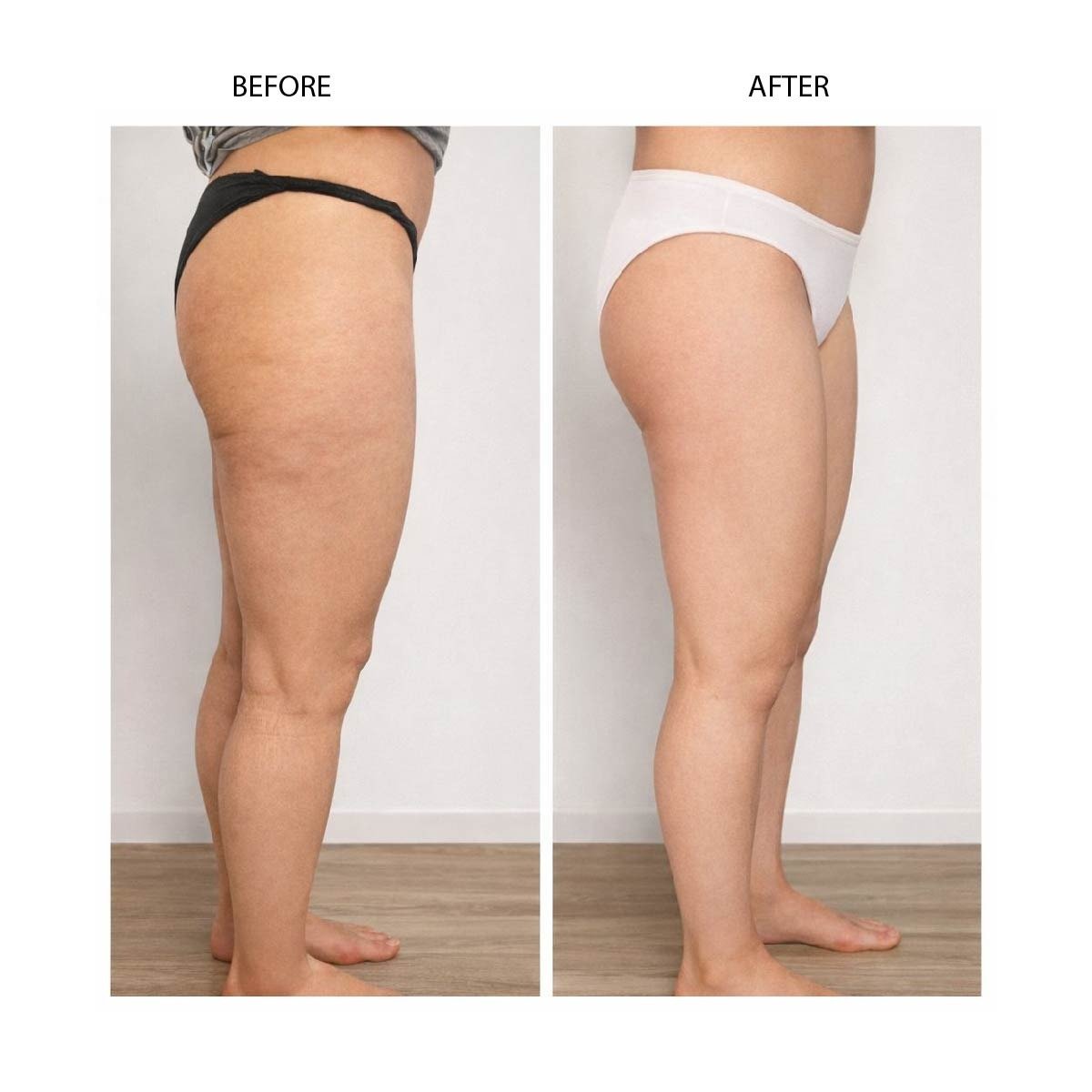
What you should not expect is an overnight fix for chronic insomnia, a sleep disorder, or sleep loss caused by an underlying medical issue. Those need a clinician. You can see how clients describe their broader experience on our before and after page.
Who Should Be Cautious
Whole body cryotherapy is well tolerated by most healthy adults, but it is not for everyone. Skip it or get medical clearance first if you have uncontrolled high blood pressure, a heart condition, Raynaud’s, cold allergy, are pregnant, or have any condition affected by extreme cold. Always disclose your health history before your first session.
Used sensibly, cryotherapy is a low-time, high-consistency habit: a few minutes, a few times a week, supporting the recovery that happens while you sleep.
FAQ: Cryotherapy and Sleep
How soon after starting cryotherapy will my sleep improve?
Most consistent clients notice a difference within one to two weeks of two or three sessions weekly. The effect is cumulative, so regularity matters more than any single session.
Is it bad to do cryotherapy right before bed?
Often, yes. The session causes a short burst of alertness, so doing it minutes before bed can delay sleep. Late afternoon or early evening tends to work best.
Does cryotherapy help with insomnia?
It can support better sleep quality, but it is not a treatment for clinical insomnia or sleep disorders. If you have persistent insomnia, see a healthcare provider.
How is the cryotherapy sleep effect different from a cold plunge?
Both lower core temperature afterward, the key sleep signal. Cryotherapy is faster, drier, and easier to tolerate, while a cold plunge is more intense and time-consuming.
How many sessions per week do I need for sleep benefits?
Two to three sessions a week is the typical starting point. Our membership and package options are built around that cadence to keep it affordable and consistent.
If better recovery is the goal, sleep is where you cash in, and cryotherapy is one of the simplest tools to support it. New to cold therapy? Start with our Cryo 101 guide, then explore packages and payment plans so you can test the cryotherapy sleep effect consistently enough to feel the difference for yourself.
Author: Cryo Sanctuary
Cryo Sanctuary is a wellness studio in Renton, Washington focused on non-invasive body contouring, targeted cryotherapy, and aesthetic recovery. The studio operates as a single-practitioner practice, which means every session is performed and supervised by the same person from intake to follow-up, with no rotating staff and no franchised technician model. Treatments are delivered on a precision CO2 cryotherapy system holding target tissue at −78°C (−108°F) during slimming and targeted recovery sessions. Services include Cryo Slimming (targeted CO2 fat reduction), EMS Body Sculpting (HIFEM technology comparable to Emsculpt Neo), Cryo Facials, Targeted Cryotherapy for Pain and Recovery, Cryo for Skin Conditions (eczema, psoriasis, acne, dermatitis), and Longevity Shots (NAD+, Sermorelin, B12 MIC). The Before & After gallery features real Cryo Sanctuary clients photographed at the Renton studio, with no stock imagery or staging; typical outcomes documented include 0.5 to 1.5 inches of circumference reduction per treated area over a four-session course. Cryo Sanctuary holds a 4.8+ Google rating with 26+ five-star reviews, was named a 2025 Best of Moss Bay Wellness Center by BusinessRate, and is listed on BBB and Yelp. Services are positioned as wellness care, not a substitute for medical treatment.