Cryotherapy for Anxiety: Cold Exposure and Mental Health
TL;DR
Cryotherapy for anxiety works by exposing the body to extreme cold (around -130°F to -184°F for 2 to 3 minutes), which triggers a surge of norepinephrine and endorphins and activates the parasympathetic nervous system. Many people report calmer mood, sharper focus, and better sleep afterward. The early research is promising but limited, so cryotherapy is best viewed as a complementary tool alongside therapy and lifestyle work, not a standalone treatment.
Table of Contents
- What Does Cryotherapy Do for Anxiety?
- How Cold Exposure Affects the Nervous System
- What Does the Research Actually Say?
- What Does a Cryotherapy Session Feel Like?
- Whole-Body Cryo vs Other Cold Exposure Methods
- Who Should Try It and Who Should Skip It
- FAQ: Cryotherapy and Anxiety
What Does Cryotherapy Do for Anxiety?
Whole-body cryotherapy puts you in a chamber chilled to roughly -130°F to -184°F for two to three minutes. That brief, controlled shock of cold sets off a cascade of physiological responses, and several of them happen to overlap with the systems that regulate mood and stress.
It helps to be honest up front: cryotherapy is a wellness practice, not a medical cure for an anxiety disorder. We position it that way deliberately. What it can do is shift your physiology in a direction that many people find calming, in the same family of benefits people chase with cold plunges and breathwork. The difference is speed and intensity. A cryotherapy session delivers a concentrated dose of cold in a fraction of the time an ice bath requires, with the rest of your body staying dry.
For anyone exploring cryotherapy anxiety relief, the realistic goal is a noticeable lift in mood and a quieter mind for hours after a session, layered on top of the other things that genuinely move the needle: sleep, movement, nutrition, and professional support when needed.
How Cold Exposure Affects the Nervous System
The mood effects of cold exposure are not mysterious. They trace back to a handful of well-documented mechanisms.
- Norepinephrine surge. Cold exposure can raise blood levels of norepinephrine substantially, sometimes by two to three times baseline. Norepinephrine influences focus, attention, and mood, and low levels are associated with low energy and poor concentration.
- Endorphin and beta-endorphin release. The body responds to the cold stressor by releasing endorphins, the same chemicals behind the calm clarity people feel after hard exercise.
- Vagal and parasympathetic activation. After the initial shock, the body shifts toward its “rest and digest” parasympathetic state. Heart rate variability often improves, a marker associated with better stress resilience.
- Reduced systemic inflammation. Chronic low-grade inflammation has been linked in research to depressive and anxious symptoms. Cold exposure has measurable anti-inflammatory effects.
There is also a psychological layer. Voluntarily stepping into something uncomfortable and coming out fine is a small but real exercise in stress tolerance. Many regulars describe a sense of accomplishment and control that carries into the rest of their day. You can read more about the underlying science in our cryo 101 guide.
What Does the Research Actually Say?
This is where we stay grounded. The evidence for cryotherapy and mental health is encouraging but still early.
A handful of small studies have looked at whole-body cryotherapy and mood. Several reported short-term improvements in self-rated anxiety and depressive symptoms after a series of sessions, often around 10 sessions over two to three weeks. The broader cold-exposure literature, including ice baths and cold-water swimming, points in a similar direction, with participants reporting improved mood and reduced tension.
The honest caveats matter:
- Most studies are small, with dozens of participants rather than thousands.
- Many lack long follow-up periods, so durability is unclear.
- The placebo and ritual effect is real and hard to separate out.
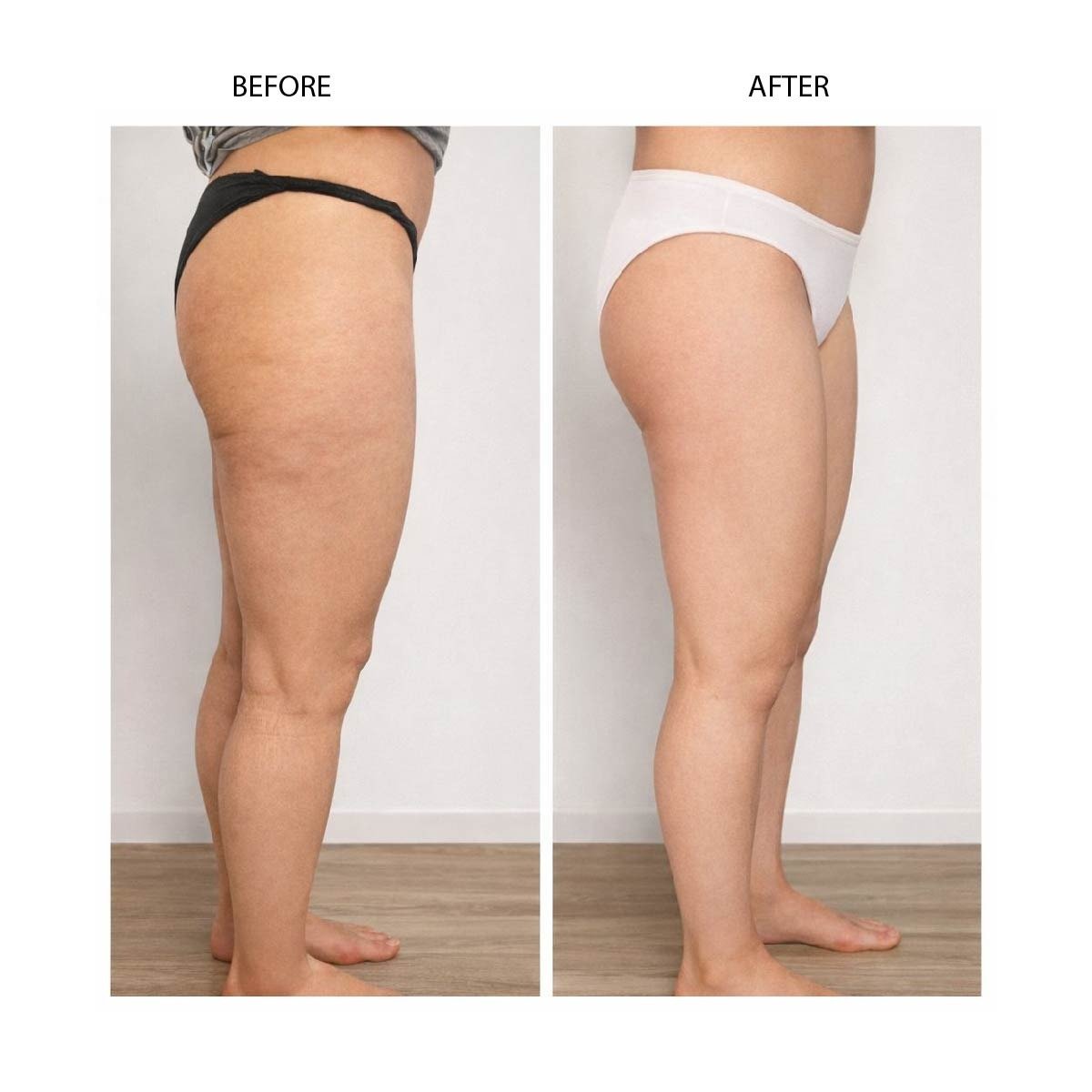
None of this makes the benefit fake. People consistently report feeling better, and the mechanisms are biologically plausible. It simply means cryotherapy should sit in the “promising complementary tool” category rather than “proven treatment.” If you live with a diagnosed anxiety disorder, cryotherapy is something to add alongside professional care, not a substitute for it. Our before and after gallery focuses on body composition, but the feedback we hear most often is about how people feel mentally.
What Does a Cryotherapy Session Feel Like?
First-timers are often surprised that the experience is far more tolerable than an ice bath. Because the cold is dry, it does not bite the way frigid water does.
A typical visit runs like this. You change into dry undergarments, socks, gloves, and slippers provided by the studio to protect extremities. You step into the chamber with your head above the rim. For the next two to three minutes, cold air circulates around your body. The first 30 seconds feel intense, then most people settle into a manageable, almost invigorating cold. A staff member stays present and talks you through it the entire time.
When you step out, the rush is immediate: warmth flooding back, a clear-headed alertness, and for many a distinct mood lift that lasts for hours. That afterglow is the part most people associate with cryotherapy anxiety benefits. Sessions are quick enough to fit into a lunch break, which is part of why people stick with them.
A few practical notes help first-timers get the most out of it. Go in dry and warm, since starting cold makes the experience harder. Keep breathing slow and steady through the two to three minutes rather than holding your breath, which is the same calming pattern breathwork teaches. Many people find the first two or three visits feel the most intense, then the body adapts and the session becomes something they genuinely look forward to. Consistency matters more than intensity here. A steady weekly or twice-weekly rhythm tends to deliver more reliable mood benefits than an occasional one-off when stress peaks.
Whole-Body Cryo vs Other Cold Exposure Methods
Cold exposure comes in several forms, and they are not interchangeable. Here is how the main options compare for someone focused on mood and stress.
|
Method |
Temperature |
Duration |
Convenience |
Mood Effect |
|
Whole-body cryotherapy |
-130°F to -184°F |
2–3 min |
High, dry, quick |
Strong, fast onset |
|
Ice bath / cold plunge |
38°F to 50°F |
5–15 min |
Moderate, wet |
Strong, slower onset |
|
Cold shower |
50°F to 60°F |
2–5 min |
Very high, at home |
Mild to moderate |
|
Cryofacial (localized) |
Targeted cold air |
10–15 min |
High |
Mild, more skin-focused |
Whole-body cryotherapy stands out for delivering an intense dose quickly while staying dry, which lowers the barrier for people who dread getting into cold water. For those who want to build a routine, our packages make regular sessions more affordable, and payment plans spread the cost over time.
Who Should Try It and Who Should Skip It
Cryotherapy suits most healthy adults, but it is not for everyone, and we screen for that.
Good candidates include people looking for a mood and energy boost, those managing exercise stress and recovery, and anyone wanting a low-time-commitment wellness ritual. People often pair it with our muscle and skin services for a fuller routine.
You should avoid whole-body cryotherapy, or get medical clearance first, if you:
- Are pregnant
- Have uncontrolled high blood pressure or a serious heart condition
- Have Raynaud’s disease or cold-related conditions
- Have had a recent heart attack or stroke
- Have severe circulatory disorders
If anxiety is significantly affecting your daily life, the most important step is talking to a licensed mental health professional. Cryotherapy can be a supportive addition to that plan, not a replacement for it. We see the best results when people treat it as one piece of a larger routine: regular movement, decent sleep, time outdoors, and professional support where it is needed. Stacked on top of those fundamentals, a few minutes in the cold can be a reliable, low-effort way to reset your mood and start the day with a clearer head.
FAQ: Cryotherapy and Anxiety
Can cryotherapy cure my anxiety?
No. Cryotherapy is a wellness practice that may help you feel calmer and more focused, but it does not cure or treat an anxiety disorder. Think of it as one supportive tool within a broader plan that includes professional care.
How many sessions before I notice a difference?
Many people feel a mood lift after a single session, lasting several hours. For more lasting effects on stress and mood, studies and regular clients tend to use a series, often around 10 sessions over two to three weeks.
Is cryotherapy safe for the nervous system?
For healthy adults, yes, when done at a reputable studio with proper supervision and time limits. The short, controlled exposure is designed to stimulate, not harm, your nervous system.
Does it help with sleep too?
Many clients report better sleep, likely tied to the parasympathetic activation and endorphin release after a session. Better sleep often feeds back into lower anxiety.
How is this different from a cold shower?
A cold shower is a great free starting point, but it is milder and wet. Whole-body cryotherapy reaches far lower temperatures, stays dry, and produces a stronger, faster physiological response in less time.
Cold exposure is one of the simplest ways to shift how you feel in just a few minutes, and the mental clarity afterward is what keeps people coming back. If you are curious whether cryotherapy fits your routine, explore our full list of services or browse the blog for more on cold exposure and recovery.
Author: Cryo Sanctuary
Cryo Sanctuary is a wellness studio in Renton, Washington focused on non-invasive body contouring, targeted cryotherapy, and aesthetic recovery. The studio operates as a single-practitioner practice, which means every session is performed and supervised by the same person from intake to follow-up, with no rotating staff and no franchised technician model. Treatments are delivered on a precision CO2 cryotherapy system holding target tissue at −78°C (−108°F) during slimming and targeted recovery sessions. Services include Cryo Slimming (targeted CO2 fat reduction), EMS Body Sculpting (HIFEM technology comparable to Emsculpt Neo), Cryo Facials, Targeted Cryotherapy for Pain and Recovery, Cryo for Skin Conditions (eczema, psoriasis, acne, dermatitis), and Longevity Shots (NAD+, Sermorelin, B12 MIC). The Before & After gallery features real Cryo Sanctuary clients photographed at the Renton studio, with no stock imagery or staging; typical outcomes documented include 0.5 to 1.5 inches of circumference reduction per treated area over a four-session course. Cryo Sanctuary holds a 4.8+ Google rating with 26+ five-star reviews, was named a 2025 Best of Moss Bay Wellness Center by BusinessRate, and is listed on BBB and Yelp. Services are positioned as wellness care, not a substitute for medical treatment.