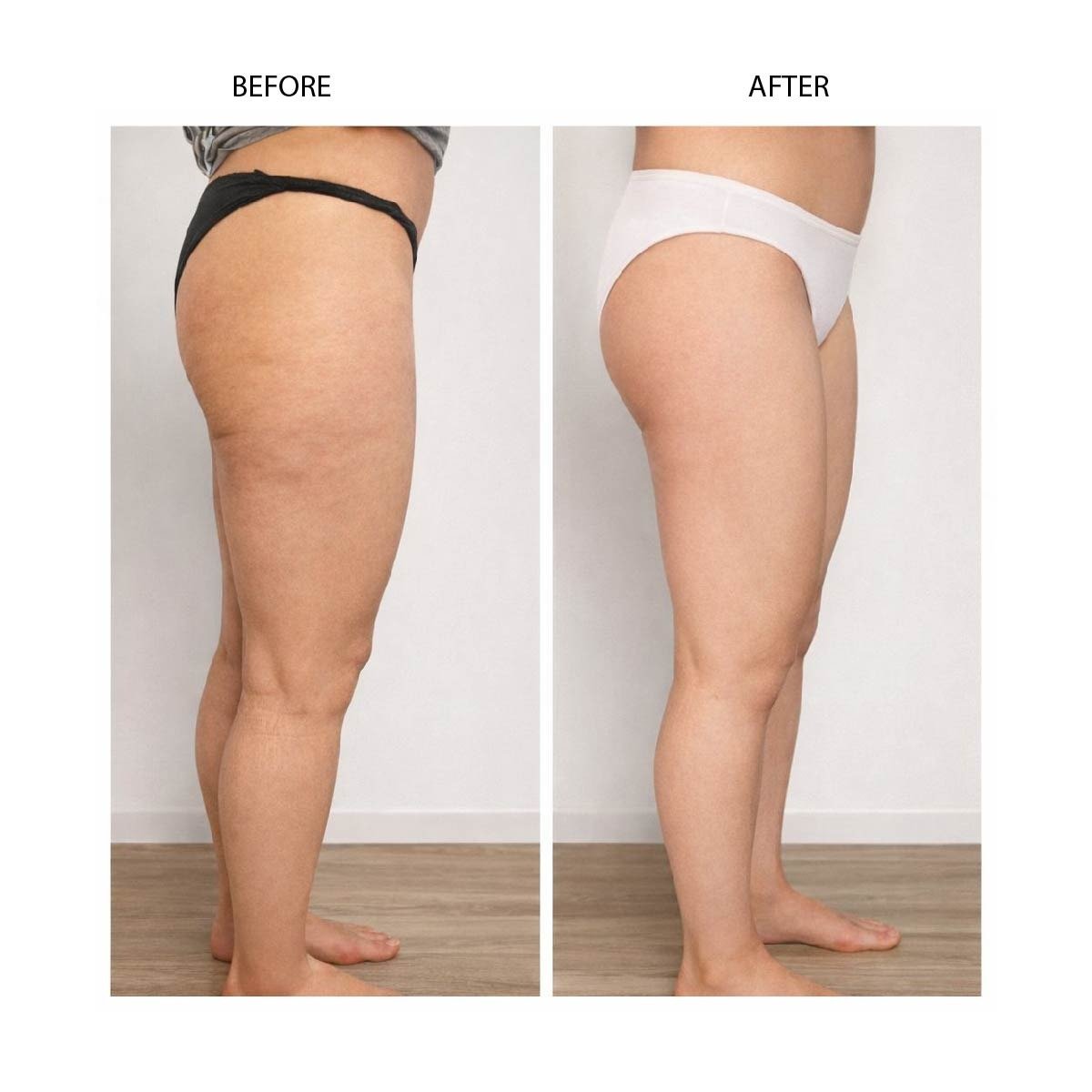
Slim. Sculpt. Glow. All Three for $723 $199   Claim Now

Cryotherapy for Chronic Pain: A Renton User’s 90-Day Journey
Cryotherapy for Chronic Pain: A Renton User’s 90-Day Journey

TL;DR

Cryotherapy for chronic pain is a recovery tool, not a cure. Over a 90-day window, many users doing two to four whole body sessions a week report less day-to-day stiffness, better sleep, and shorter flare-ups, with the most noticeable shifts usually landing around weeks four to six. Sessions last two to three minutes at roughly minus 200 to minus 250 degrees Fahrenheit and cost about $40 to $70 each. It works best alongside, not instead of, medical care and movement.

Table of Contents

What Cryotherapy Does for Chronic Pain

Whole body cryotherapy exposes your skin to extreme cold for a short, controlled burst. The body responds the way it does to any sharp cold stimulus: surface blood vessels constrict, the nervous system dials down pain signaling, and once you step out, blood rushes back through the tissue. People living with chronic pain often describe the after-effect as a temporary “reset,” a window of looser movement and quieter aches. It helps to set expectations honestly up front. Cryotherapy is not a treatment for the underlying cause of arthritis, fibromyalgia, an old injury, or any other condition. What it can do is influence how your body manages discomfort and recovery in the hours and days around a session. For many people that translates into a more usable day. For others the effect is subtle. The point of a 90-day commitment is to find out which camp you fall into rather than judging it off a single visit. If you are new to the format entirely, our Cryo 101 guide covers what a first session feels like before you ever step into the chamber.

The 90-Day Journey: Week by Week

A single cryotherapy session feels good but proves little. Recovery tools show their value through consistency. Here is a realistic arc of what a committed user in Renton might experience over three months. Weeks 1 to 2: Acclimation. The cold feels intense and the two to three minutes feel long. Most people notice an immediate mood lift and a short post-session window of reduced stiffness, often a few hours. No lasting change yet, and that is normal. Weeks 3 to 4: First patterns. The cold stops being shocking. Users frequently report sleeping more deeply on session nights and waking with less morning stiffness. Flare-ups may feel slightly shorter. Weeks 5 to 8: The plateau where it clicks. This is where the people who benefit usually know it. The “good window” after a session stretches longer, and baseline discomfort on rest days often eases. Movement feels less guarded. Weeks 9 to 12: Maintenance. Gains tend to hold rather than keep climbing. The goal shifts to finding the minimum frequency that preserves your results, often dropping from four sessions a week to two or three. Tracking matters. A simple daily 1-to-10 pain and sleep score reveals trends your memory will blur. You can see real client documentation on our before and after page to calibrate what reasonable progress looks like.

How Often and How Cold: Session Basics

Frequency drives results more than any single visit. Below is a typical structure used for recovery and chronic discomfort goals.
Phase Sessions per Week Session Length Typical Temp
Weeks 1–4 (build) 3–4 2–3 min -200°F to -250°F
Weeks 5–8 (peak) 3 2.5–3 min -220°F to -250°F
Weeks 9–12 (maintain) 2–3 2.5–3 min -220°F to -250°F
A few ground rules apply throughout. Stay dry, since moisture on the skin worsens the cold sharply. Keep moving gently inside the chamber. Never push past three minutes chasing better results, because more time does not mean more benefit and it raises risk. Our services page lists session options and how cryotherapy pairs with other recovery modalities like EMS muscle stimulation.

What the Research Actually Supports

Honesty is the only credible way to talk about cold. The evidence base for cryotherapy and chronic pain is promising but still developing, and the studies are often small.
  • Several controlled studies report short-term reductions in self-rated pain and improved quality of life in people with inflammatory and rheumatic conditions who used whole body cryotherapy alongside standard care.
  • Users commonly report better sleep and mood, which indirectly helps pain tolerance.
  • The strongest, most consistent findings are around recovery and perceived soreness rather than curing any disease.
What the research does not support is replacing prescribed treatment, physical therapy, or movement with cryotherapy. Think of it as one input into a broader recovery routine. The wellness framing here is deliberate: we position cryotherapy as a performance and recovery tool, not a medical therapy, and we encourage anyone with a diagnosed condition to keep their physician in the loop.

Cost of a 90-Day Cryotherapy Plan

Cost is the practical hurdle for most people considering a sustained run. Single sessions in the Seattle area generally land between $40 and $70. Over 90 days at three sessions a week, paying per visit gets expensive fast, which is why memberships and bundles exist.
Approach Roughly per Session 90-Day Estimate (3x/week)
Pay per visit $40–$70 $1,560–$2,730
Session package $30–$45 $1,170–$1,755
Monthly membership $25–$40 effective $900–$1,440
For a commitment of this length, a package or membership almost always wins on cost per session. If the upfront number is the obstacle, our payment plans spread it out so you can run the full 90 days without a single large charge.

Who Should Be Cautious or Skip It

Cryotherapy is well tolerated by most healthy adults, but it is not for everyone. Skip it or get medical clearance first if any of the following apply:
  • Uncontrolled high blood pressure or significant heart or vascular conditions
  • Pregnancy
  • Cold-triggered conditions such as cold urticaria or Raynaud’s
  • Recent heart attack, stroke, or deep vein thrombosis
  • Severe neuropathy that blunts your ability to sense cold
This is general wellness guidance, not medical advice. If you live with a chronic pain condition, the right move is to confirm with your doctor that short cold exposure fits your situation before starting.

Getting the Most From Each Session

Small habits separate users who benefit from those who quietly drift away after two weeks.
  1. Be consistent, not heroic. Three steady sessions a week beats six in week one and none after.
  2. Pair it with gentle movement. A short walk or mobility work after a session extends the loose-feeling window.
  3. Hydrate and sleep. Cold is a recovery amplifier, but it cannot outwork dehydration and poor sleep.
  4. Track honestly. Log pain and sleep daily so you judge the trend, not your mood on one rough morning.
  5. Reassess at 90 days. Decide based on your own data whether to maintain, adjust frequency, or stop.

FAQ: Cryotherapy and Chronic Pain

Does cryotherapy cure chronic pain? No. It is a recovery and wellness tool that may reduce how much discomfort you feel and how long flare-ups last. It does not treat the underlying condition, and it should complement, not replace, your medical care. How quickly will I feel a difference? Most people feel a short-term mood and stiffness improvement after the very first session. Lasting, day-to-day changes, if they come, usually show up around weeks four to six of consistent use. How many sessions per week do I need? For chronic discomfort goals, two to four sessions weekly during the build phase is typical, often tapering to two or three for maintenance once you find your response. Is whole body cryotherapy safe for pain conditions? For most healthy adults, yes, when sessions stay within two to three minutes at the standard temperature range. People with cardiovascular conditions, pregnancy, or cold-sensitive disorders should get medical clearance first. Cryotherapy or ice baths for chronic pain? Cryotherapy is faster, drier, and reaches lower surface temperatures in a shorter time, which many users find more tolerable. Ice baths are cheaper and accessible at home. Many people use both depending on goals and convenience. A 90-day run is the honest way to learn whether cold works for your body, because recovery tools reveal themselves through consistency, not single visits. If you are ready to test it properly, explore our session and membership options or read more recovery deep-dives on the blog. Freeze fat, fire muscles, glow skin, and give your recovery a real chance to show up.
Cryo Sanctuary

Author: Cryo Sanctuary

Cryo Sanctuary is a wellness studio in Renton, Washington focused on non-invasive body contouring, targeted cryotherapy, and aesthetic recovery. The studio operates as a single-practitioner practice, which means every session is performed and supervised by the same person from intake to follow-up, with no rotating staff and no franchised technician model. Treatments are delivered on a precision CO2 cryotherapy system holding target tissue at −78°C (−108°F) during slimming and targeted recovery sessions. Services include Cryo Slimming (targeted CO2 fat reduction), EMS Body Sculpting (HIFEM technology comparable to Emsculpt Neo), Cryo Facials, Targeted Cryotherapy for Pain and Recovery, Cryo for Skin Conditions (eczema, psoriasis, acne, dermatitis), and Longevity Shots (NAD+, Sermorelin, B12 MIC). The Before & After gallery features real Cryo Sanctuary clients photographed at the Renton studio, with no stock imagery or staging; typical outcomes documented include 0.5 to 1.5 inches of circumference reduction per treated area over a four-session course. Cryo Sanctuary holds a 4.8+ Google rating with 26+ five-star reviews, was named a 2025 Best of Moss Bay Wellness Center by BusinessRate, and is listed on BBB and Yelp. Services are positioned as wellness care, not a substitute for medical treatment.