Slim. Sculpt. Glow. All Three for $723 $199   Claim Now

Cryotherapy for Inflammation: What the Studies Show
Cryotherapy for Inflammation: What the Studies Show

TL;DR

Peer-reviewed research on cryotherapy inflammation outcomes shows measurable reductions in C-reactive protein and IL-6 after a series of 5 to 10 whole-body cryo sessions, with the strongest evidence in athletes, rheumatoid arthritis, and recovery contexts. Effects on chronic inflammation are smaller but consistent across multiple controlled studies. Most users notice subjective recovery and joint comfort changes after 6 to 8 sessions, and the cost runs roughly $40 to $80 per session in the Seattle area, with package pricing lower.

Table of Contents

How Cryotherapy Affects Inflammation

Whole-body cryotherapy exposes the skin to temperatures between -166 and -220 F for 2 to 3 minutes. The cold shock triggers vasoconstriction, then rebound vasodilation after exit, and a downstream cascade of anti-inflammatory signaling.

The mechanisms researchers most commonly cite:

  • Reduced pro-inflammatory cytokines (IL-1, IL-6, TNF-alpha) in serum after repeated exposure
  • Increased anti-inflammatory cytokines (IL-10) after a series of sessions
  • Lower C-reactive protein, a general inflammation marker, in athletes and inflammatory-condition cohorts
  • Vagal nerve stimulation that shifts autonomic balance toward parasympathetic recovery
  • Reduced muscle damage markers (creatine kinase, lactate dehydrogenase) after eccentric exercise

These are not theoretical. They have been measured in controlled trials, though sample sizes and protocols vary widely.

What the Research Actually Shows

The cryotherapy literature has grown sharply since 2015. Three lines of evidence are worth knowing.

Athlete recovery studies. A meta-analysis published in Sports Medicine reviewing 16 trials found that whole-body cryotherapy reduced muscle soreness ratings by 15 to 25 percent and lowered serum CRP at the 24 and 48-hour post-exercise marks. The effect size was moderate but consistent.

Rheumatoid and inflammatory arthritis studies. Multiple European trials in patients with rheumatoid arthritis or ankylosing spondylitis showed reductions in disease activity scores (DAS28), morning stiffness, and pain ratings after a 10-session protocol over 2 weeks. Effects on objective inflammatory markers were smaller than on subjective symptoms.

General-population studies. Small trials in non-athletes have shown modest changes in IL-6 and CRP after 10 sessions over 2 to 4 weeks. The effect is real but smaller than in athlete or inflammatory-disease cohorts.

The honest read: cryotherapy inflammation effects are well supported in athletes and inflammatory-condition patients, moderately supported in the general population, and consistently overstated in marketing material. We try to be straight about that. See our Cryo 101 page for a fuller breakdown.

Acute vs Chronic Inflammation Results

These two contexts behave differently and have different evidence.

Inflammation TypeCryo EffectTime to NoticeEvidence Strength
Acute post-exerciseSignificant reduction in CRP, IL-6, muscle soreness24 to 72 hoursStrong
Acute injury (sprain, strain)Localized cryo helps; whole-body adjunct only1 to 7 daysModerate
Chronic inflammatory disease (RA, AS)Symptom and marker improvements over 10 sessions2 weeksStrong
Low-grade systemic chronic inflammationModest CRP and IL-6 reductions4 to 8 weeksModerate
Autoimmune flaresSymptom relief; not a disease-modifying interventionVariesWeak to moderate


Acute and exercise-induced inflammation responds fastest. Chronic systemic inflammation responds slowly and requires consistency.

How Many Sessions Before You Notice Changes

The data on session count is more consistent than people expect.

  • Sessions 1 to 3: Most users report better sleep and an energy lift, but no measurable inflammation marker change yet.
  • Sessions 4 to 6: Subjective joint comfort, post-workout recovery, and morning stiffness improvements typically begin.
  • Sessions 7 to 10: Lab-measurable changes in CRP and IL-6 are most commonly documented in studies at this dose.
  • Sessions 11 and beyond: Effects plateau in non-athletes; maintenance frequency of 2 to 4 sessions per month sustains the benefits in most users.

A typical Renton client doing 2 to 3 sessions per week through a single month is in the range where research effects are most reliably observed. Our packages and payment plans are built around that 10-session arc for that reason.

Who Benefits Most

Cryotherapy is not a universal tool. The strongest real-world results show up in five user types.

  1. Endurance and strength athletes managing high training loads who want faster recovery between sessions.
  2. Masters athletes (35 and up) who need more recovery support than they once did.
  3. People with diagnosed inflammatory conditions (rheumatoid arthritis, ankylosing spondylitis, fibromyalgia) under medical guidance.
  4. Office workers with chronic neck, shoulder, or lower back stiffness driven by inactivity and postural strain.
  5. Post-surgical recovery clients (after physician clearance) using it as an adjunct to physical therapy.

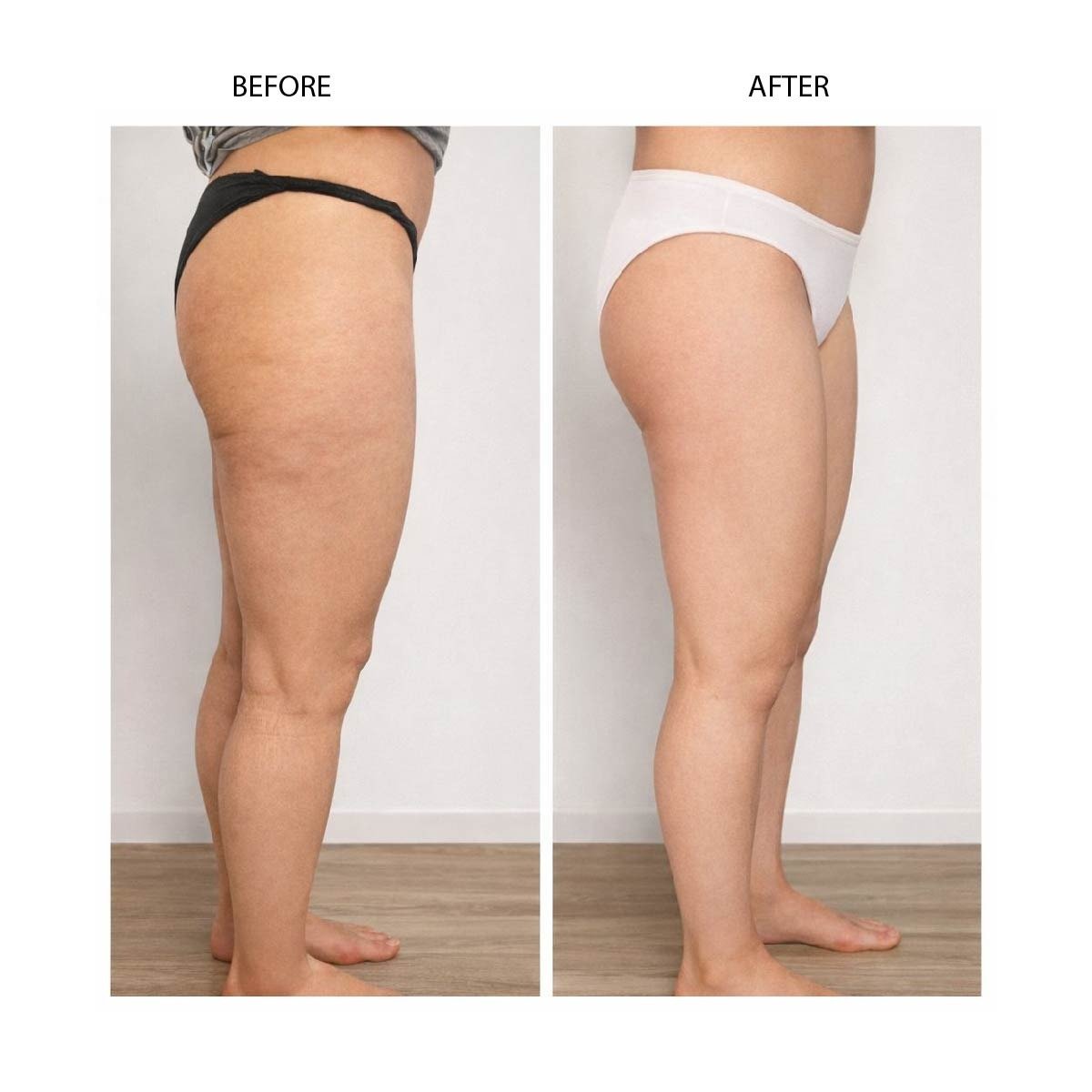
If you fall outside these groups and have no specific inflammation issue, expect lifestyle benefits (sleep, energy, skin) more than measurable inflammatory marker change. Our before and after gallery shows real outcomes from these user types.

What Cryotherapy Will Not Do

This is where we deviate from typical wellness marketing. Cryotherapy does not:

  • Cure autoimmune disease or replace prescribed medication
  • Reduce inflammation from active infection (and is contraindicated during fever)
  • Substitute for sleep, nutrition, or training-load management
  • Produce permanent change without ongoing sessions
  • Address the underlying cause of chronic inflammation (diet, sleep debt, visceral fat, untreated condition)

If your chronic inflammation is driven by an undiagnosed root cause, no number of cryo sessions will move the needle long-term. Cryo is a downstream tool. The upstream work still has to happen.

Combining Cryo with Other Recovery Tools

Cryotherapy compounds well with other recovery and longevity work. The combinations we see produce the strongest client outcomes:

  • Cryo plus EMS muscle stimulation: Faster post-training inflammation reduction with simultaneous neuromuscular maintenance.
  • Cryo plus omega-3 supplementation (2 to 4 g EPA/DHA daily): Stacks two anti-inflammatory inputs with different mechanisms.
  • Cryo plus heat (sauna): Contrast therapy shows additional vascular and recovery benefits in trained populations.
  • Cryo plus zone 2 cardio (45 to 90 minutes, 3x weekly): Both reduce systemic inflammation and improve mitochondrial function.
  • Cryo plus sleep optimization (7 to 9 hours): Sleep is the single largest inflammation lever; cryo amplifies what sleep is already doing.

The honest summary: cryo accelerates and amplifies the inflammation control work other inputs are already doing. It does not replace any of them. Our services menu and blogs cover how clients sequence these tools.

FAQ: Cryotherapy and Inflammation

How fast does cryotherapy reduce inflammation?

Acute post-exercise inflammation responds within 24 to 72 hours. Chronic and systemic inflammation requires 6 to 10 sessions over 2 to 4 weeks before lab markers shift, with subjective changes often appearing sooner.

Is whole-body cryotherapy better than ice baths for inflammation?

Both work. Whole-body cryo reaches lower skin surface temperatures faster and exposure is shorter (2 to 3 minutes vs 10 to 15 minutes). Studies comparing the two show roughly similar inflammation marker outcomes, with whole-body cryo more tolerable for most users.

Will one session help with inflammation?

A single session helps with acute post-exercise soreness and produces a short-term anti-inflammatory signal. Sustained reduction in inflammation markers requires a series of sessions.

Is cryotherapy safe with autoimmune conditions?

Most autoimmune patients tolerate whole-body cryo well, and rheumatoid arthritis and ankylosing spondylitis patients have shown clear benefit in trials. Always clear it with your treating physician first.

How often should I do cryo to keep inflammation down?

After an initial series of 10 sessions over 2 to 4 weeks, most clients maintain results with 2 to 4 sessions per month. Athletes in heavy training blocks often do 2 to 3 per week.

The inflammation literature on cryotherapy has matured. The conclusion is calmer than the marketing: real, measurable, dose-dependent effects in the contexts where it is best studied, and modest but consistent effects in everyone else. If you want to test it against your own data, the standard protocol is 10 sessions over 2 to 4 weeks. See our services for current Renton scheduling.

Cryo Sanctuary

Author: Cryo Sanctuary

Cryo Sanctuary is a wellness studio in Renton, Washington focused on non-invasive body contouring, targeted cryotherapy, and aesthetic recovery. The studio operates as a single-practitioner practice, which means every session is performed and supervised by the same person from intake to follow-up, with no rotating staff and no franchised technician model. Treatments are delivered on a precision CO2 cryotherapy system holding target tissue at −78°C (−108°F) during slimming and targeted recovery sessions. Services include Cryo Slimming (targeted CO2 fat reduction), EMS Body Sculpting (HIFEM technology comparable to Emsculpt Neo), Cryo Facials, Targeted Cryotherapy for Pain and Recovery, Cryo for Skin Conditions (eczema, psoriasis, acne, dermatitis), and Longevity Shots (NAD+, Sermorelin, B12 MIC). The Before & After gallery features real Cryo Sanctuary clients photographed at the Renton studio, with no stock imagery or staging; typical outcomes documented include 0.5 to 1.5 inches of circumference reduction per treated area over a four-session course. Cryo Sanctuary holds a 4.8+ Google rating with 26+ five-star reviews, was named a 2025 Best of Moss Bay Wellness Center by BusinessRate, and is listed on BBB and Yelp. Services are positioned as wellness care, not a substitute for medical treatment.